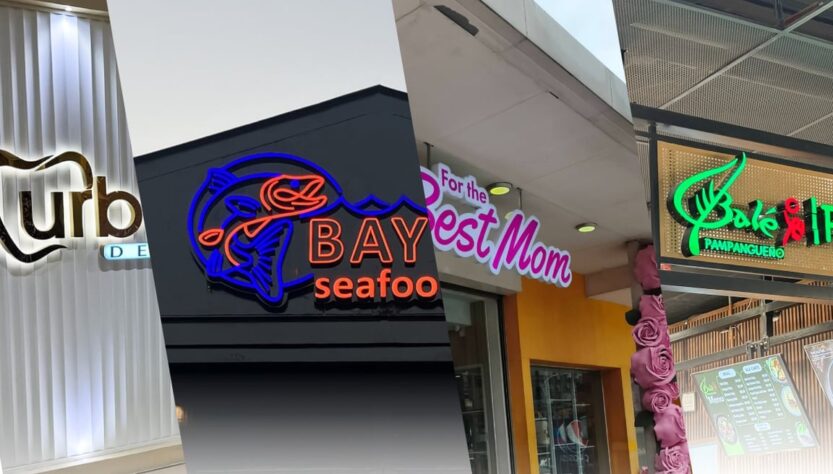
Episode 4 highlights Built‑Up, Neon Flex, Acrylic Full‑Light, Premium Brass Back‑Lighted, and Ultra High‑End Front & Back‑Lighted signage—helping entrepreneurs match formats to brand, location, and budget.
QUEZON CITY, Philippines —Bescost Printing today released Usapang Signage — Episode 4: Different Types of Signage (watch here), a concise walkthrough of the most popular storefront signage formats and how businesses can use them to boost visibility and brand impact.
“Kung business owner ka, hindi mo kailangang sumigaw para maging kapansin-pansin,” said Jim Besinio, Owner, Bescost Printing. (“As a business owner, you don’t have to shout to get noticed.”)
Episode 4 spotlights five in‑demand builds, with clear use cases and visual advantages:
1. Built-Up Signage (acrylic, metal, or stainless steel)
Built-up letters and logos deliver a clean, professional look and excellent durability when specified correctly. For bodies and returns, aluminum resists rust and takes powder coat well. Stainless steel 304 works inland; upgrade to 316 for coastal installs to avoid tea-staining. Faces in cast acrylic give crisp edges and color; if your site faces strong winds or impact risk, consider UV-coated polycarbonate faces instead for added toughness. For lighting, front-lit or halo/backlit LEDs should be IP65–IP67 with sealed connections and waterproof drivers. Backing plates and letter backs need gaskets and proper weep holes to manage water. Mount with stainless studs and chemical anchors into sound concrete or steel, isolating dissimilar metals to prevent galvanic corrosion.
2. Neon Flex Signage
LED neon flex gives the iconic neon glow with far better energy efficiency, safety, and serviceability than glass neon. For outdoor or semi-exposed areas, specify UV-stabilized silicone-jacket neon flex at IP67 with marine-grade end caps and sealed controllers housed in weatherproof enclosures. Keep runs ventilated to manage heat and mount to aluminum or ACM backers that won’t swell. In full sun, choose high-brightness, UV-resistant products to reduce yellowing; in coastal zones, rinse hardware with fresh water monthly. Neon flex shines for restaurants, salons, and nightlife—use it outside under canopies or indoors near windows to maximize lifespan.
3. Acrylic Full-Light Signage
When maximum visibility is the goal, full-light signage—lightboxes or deep channel letters that evenly illuminate faces—performs day and night. Use aluminum cabinets with powder coat and interior baffles for even light. Choose UV-grade cast acrylic for color fidelity or UV-coated polycarbonate for high-impact, storm-prone sites. Design in thermal expansion gaps, vents, and weep holes; seal penetrations with neutral-cure silicone to prevent corrosion. LEDs should be high-efficiency, IP65–IP67, with drivers isolated from moisture and protected by surge devices. This format is ideal for arterial roads like EDSA or C5 where legibility and brightness cut through glare and rain.
4. Premium Brass Back-Lighted Signage
Brass delivers a refined, boutique finish—perfect for hotels, clinics, and high-end retail. In the tropics, raw brass can patina quickly, especially near the coast. For outdoor elegance with less upkeep, consider PVD-coated stainless steel in a brass tone, or specify marine-grade clear coats over genuine brass with a documented maintenance plan. Back-lighting (halo) requires crisp light gaps, opaque letter bodies, and IP-rated LEDs set off the wall with 316 stainless spacers. Avoid acidic cleaners; use pH-neutral products and microfiber wiping. In coastal cities, schedule gentle freshwater rinses to keep salt from undermining the finish.
5. Ultra High-End Front & Back-Lighted Signage
Front-and-back illumination marries legibility with a premium halo effect and demands careful engineering. Use aluminum or stainless bodies with double-diffused acrylic/polycarbonate faces to avoid hotspots and glare. Separate circuits for face and halo lighting enable fine control and dimming; house power supplies in ventilated, waterproof boxes with drip loops, proper grounding, and surge protection. Because these sets are often larger and heavier, confirm wall integrity, use structural mounting plates, and engineer for site wind loads. This spec is ideal for flagship facades where you want elegance from every angle, rain or shine.
The episode’s goal is to help entrepreneurs quickly understand what each format looks like, the impression it creates, and where it shines—so they can choose confidently based on brand style, customer traffic, and site conditions. Whether a business needs maximum legibility for roadside visibility, a luxurious boutique feel, or an iconic glow for lifestyle appeal, Episode 4 offers a straightforward comparison to guide the decision.
Watch Usapang Signage — Episode 4 (watch here)